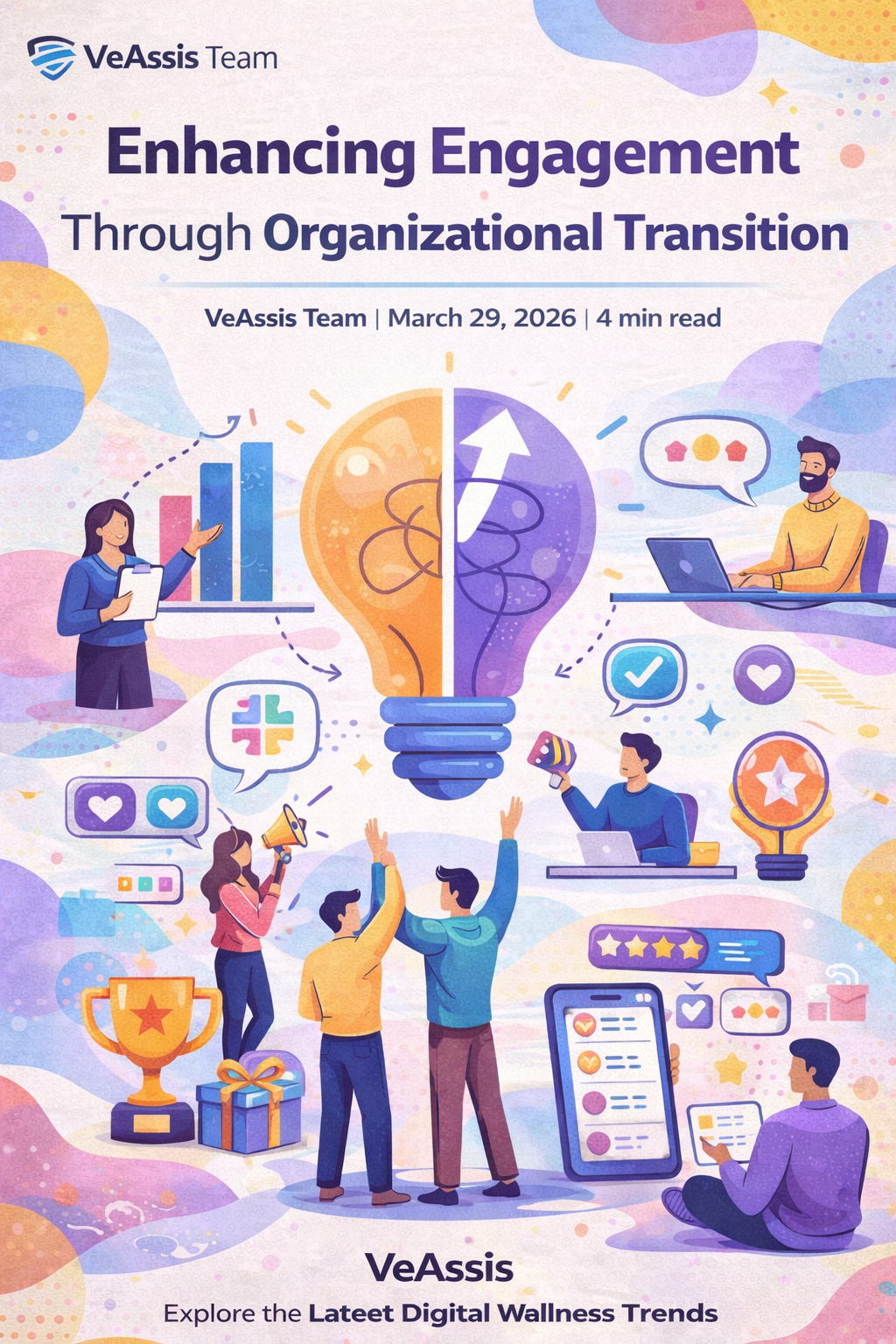
The Critical Role of Engagement in Organizational Change
Organizational transitions — whether mergers, restructuring, or digital transformation — present both challenges and opportunities for employee engagement. A 2023 Gartner report found that only 29% of change initiatives succeed without sustained engagement efforts. Proactive engagement strategies mitigate disengagement risks while fostering adaptability. Leaders must prioritize transparency through structured communication frameworks, such as recurring town halls or role-specific progress updates, to align expectations and reduce uncertainty.
Modern Feedback Mechanisms for Dynamic Environments
Data-driven feedback loops are essential for navigating change. Pulse surveys (conducted via platforms like SurveyMonkey or Google Forms) offer real-time insights into team sentiment, with follow-up focus groups addressing deeper concerns. For example, a university transitioning to hybrid work might implement weekly 30-second feedback surveys to track resource accessibility. Complement these with peer-to-peer feedback systems to democratize problem-solving, as recommended by Harvard Business Review in 2024. Organizations using these methods reported 30% higher retention during transitions.
Recognition Programs as Retention Drivers
Recognition programs tailored to change phases can sustain motivation. Immediate recognition (e.g., shout-outs for early adaptation in Slack channels), mid-term incentives (learning stipends for upskilling), and long-term rewards (equity shares for post-transformation success) create layered engagement. A tech company undergoing AI integration paired project milestones with public acknowledgment and career development opportunities, reducing burnout rates by 40%. Crucially, recognition must be equitable and tied to both individual and team outcomes.
Digital Tools for Scalable Engagement
Virtual platforms bridge communication and collaboration gaps during transitions. Project management tools like Asana or Microsoft Teams integrate role-specific task dashboards, ensuring visibility without overwhelm. For feedback, platforms such as Qualtrics offer sentiment analysis to identify engagement trends. A 2024 IDC study noted that organizations using AI-driven feedback tools for change management achieved 58% faster resolution of employee concerns. For remote teams, virtual reality platforms enable immersive onboarding sessions to humanize transitions.
Measuring and Refining Engagement Outcomes
Quantifiable metrics guide effective engagement adjustments. Track absenteeism rates, voluntary turnover, and task completion speeds as leading indicators. Use Net Promoter Score (NPS) variants tailored to change phases (e.g., "Would you recommend this transition to a colleague?"). For example, a nonprofit undergoing process automation linked 80% of its engagement score improvements to quarterly NPS-driven feedback loops. Regularly audit tools against KPIs such as survey response rates and recognition uptake to ensure alignment with changing priorities.
Conclusion
Organizational change demands engagement strategies as dynamic as the transformations themselves. By embedding transparent communication, adaptive feedback systems, tiered recognition programs, and scalable digital tools, organizations can turn challenges into catalysts for innovation. Leadership must remain agile, using measurable insights to refine approaches and build a culture of continuous adaptation.
Ready to learn more about how VeAssis can help your organization?