
Introduction to Quantum Threats and Proactive Security
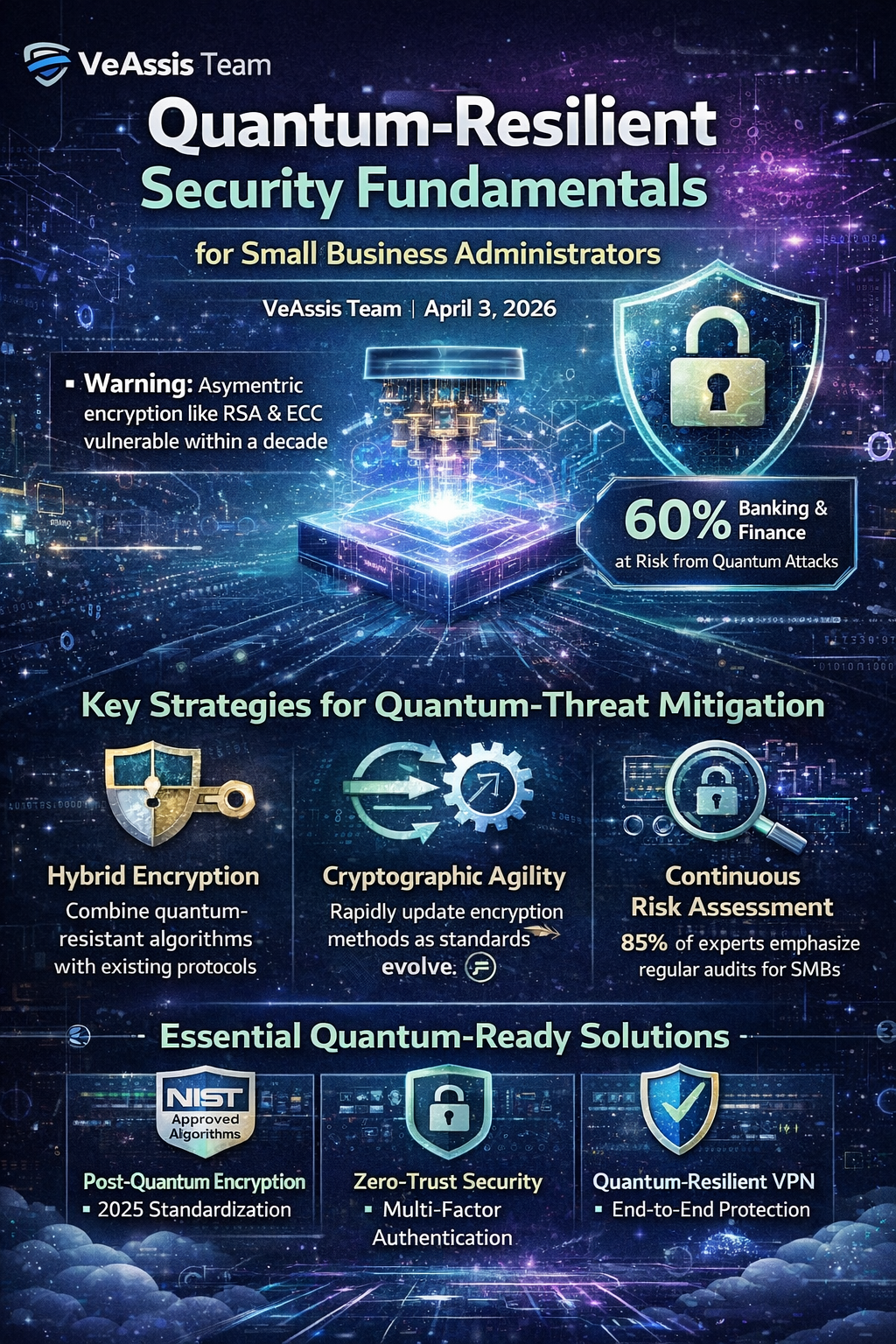
Quantum computing's exponential processing power poses a critical risk to traditional encryption methods. Current asymmetric algorithms like RSA and ECC, which secure everything from online banking to cloud storage, could be rendered obsolete within a decade as quantum attacks grow feasible. The National Institute of Standards and Technology (NIST) estimates that 60% of global financial transactions rely on algorithms vulnerable to quantum decryption. This creates an urgent need for small businesses to adopt quantum-resilient security frameworks before quantum computers reach mainstream availability.
Key Methodologies for Quantum Threat Mitigation
The transition to quantum-resistant security requires three core methodologies: hybrid encryption models, cryptographic agility, and continuous risk assessment. Hybrid systems combine classical and post-quantum algorithms (e.g., CRYSTALS-Kyber with RSA) to maintain compatibility during transition periods. Businesses should prioritize cryptographic agility — the ability to update encryption protocols rapidly as standards evolve. Regular audits using frameworks like ISO/IEC 27005:2023 should evaluate quantum risk exposure, with 85% of experts agreeing this is critical for small business data protection.
Implementing Post-Quantum Cryptography Solutions
NIST's finalization of its post-quantum encryption candidates in 2025 provides actionable solutions for SMBs. Algorithms like Dilithium for digital signatures and Falcon for lightweight applications are now available via open-source libraries such as Open Quantum Safe. Cloud providers like AWS have launched quantum-resistant key management services, reducing implementation costs by 40% for adopting businesses. For network security, post-quantum VPN solutions from vendors like Fortinet offer hardware-accelerated implementations compliant with emerging EU Cybersecurity Act requirements.
Zero-Trust Architecture as a Quantum Security Layer
Zero-trust models, which require continuous verification of user identities and device integrity (NIST SP 800-207), form a foundational defense against both current and quantum threats. Combining zero-trust principles with micro-segmentation reduces attack surfaces by 70% per Ponemon Institute research. For small teams, tools like Palo Alto's Prisma Access and Microsoft Entra ID Conditional Access provide manageable zero-trust frameworks. Implementing dynamic authentication workflows that verify credentials against multi-factor attestation aligns with MITRE ATT&CK's recommendations for quantum-era security.
Evaluating and Adopting Quantum-Ready Tools
Businesses should assess security providers through four lenses: certification status (NIST-compliant algorithms), implementation flexibility (API access vs. proprietary systems), vendor transparency (quantum readiness roadmaps), and cost scalability. For file-sharing, consider services with built-in post-quantum encryption like ProtonDrive or Tresorit. Network monitoring tools from vendors like Darktrace now include AI-driven anomaly detection capable of identifying quantum signature attacks. Small businesses should request proofs of compliance with standards like ETSI EN 303 645 when evaluating vendors.
Industry Standards and Future-Proofing Strategies
Compliance with regulatory timelines is crucial. By 2030, all U.S. health care providers will need to implement NIST-approved post-quantum algorithms under HIPAA revisions. The ISO/IEC 27553:2024 standard provides a migration roadmap for businesses to phase out vulnerable cryptography. Small enterprises should conduct yearly quantum risk assessments starting now to align with the NIST 2028 phaseout deadline for legacy encryption. Proactive measures include encrypting sensitive data at rest with post-quantum algorithms, leveraging the strategic head start offered by the NSA's Quantum Computing Cybersecurity Strategy.
Ready to learn more about how VeAssis can help your organization?