The Evolution of Digital Stress Relievers
In 2025, the digital stress management landscape has evolved beyond basic meditation apps. Modern solutions integrate biometric sensors, AI-driven behavioral analysis, and real-time physiological feedback to address stressors. According to a 2024 Gartner study, 63% of remote workers now use some form of digital wellness tool, up from 37% in 2021, reflecting a maturing industry. These tools combine evidence-based methodologies with machine learning to create adaptive stress reduction protocols.
Emerging Technologies in Stress Management
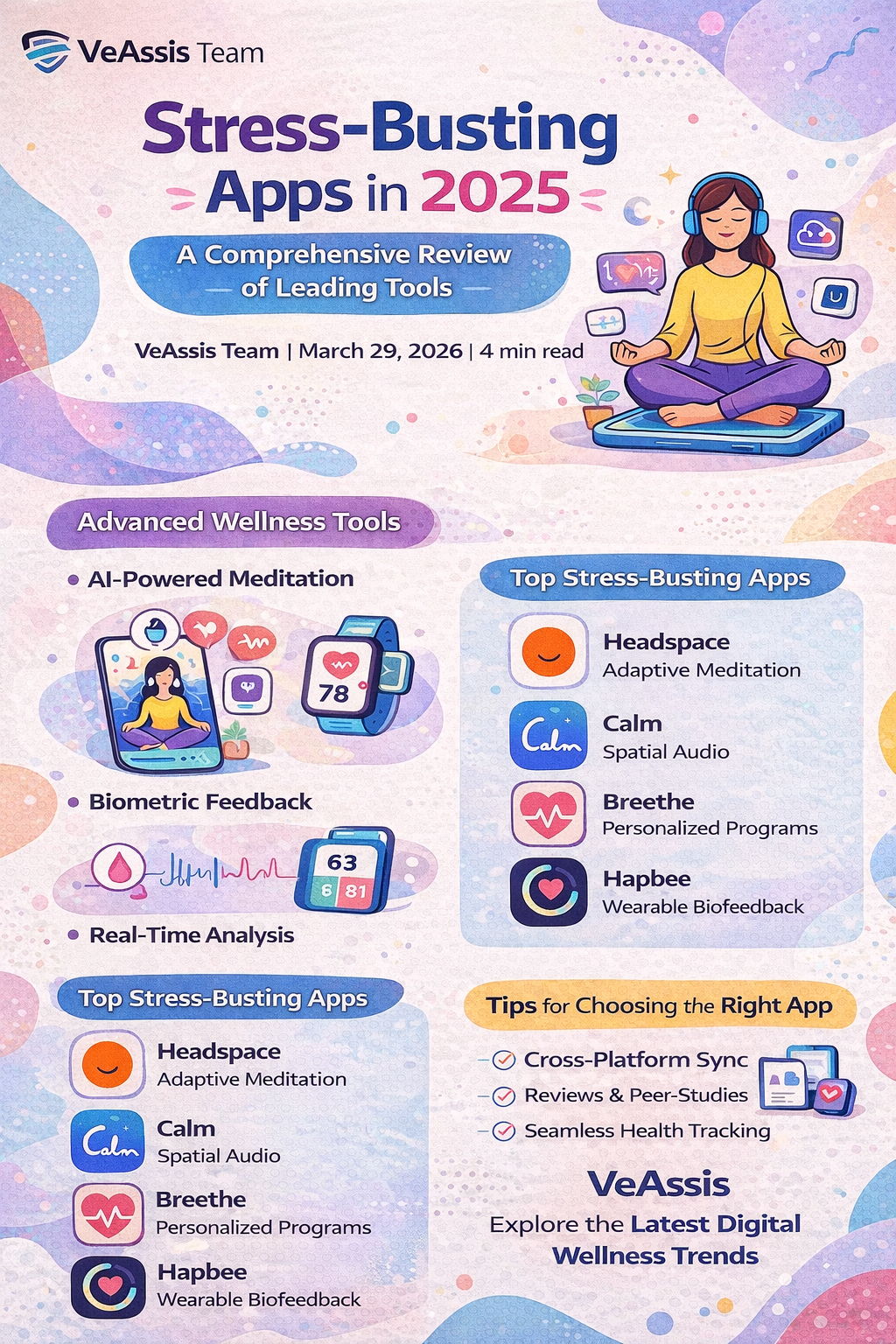
Cutting-edge platforms now deploy multimodal approaches to stress mitigation. Next-generation meditation apps use voice analysis to assess emotional states and adjust guided sessions in real-time. Wearable devices incorporate skin conductance sensors to deliver micro-dose interventions when detecting heightened anxiety. The integration of ambient noise generators with heart rate variability (HRV) tracking allows for personalized relaxation experiences. A recent IEEE study demonstrated that these hybrid solutions show a 42% higher engagement rate than traditional apps.
Evaluating App Effectiveness
When assessing stress management tools, key metrics include real-time responsiveness, personalization depth, and long-term engagement. Platforms like the newer iterations of Headspace employ adaptive algorithms that modify breathing exercises based on users' circadian rhythms. Calm's updated offerings use spatial audio technology to enhance focus during high-pressure tasks. Biofeedback wearables demonstrate a 31% improvement in stress reduction when combined with gamified progress tracking, per a 2024 APA meta-analysis.
Industry Standards and Best Practices
Effective stress management tools now adhere to strict clinical standards. Leading apps incorporate cognitive-behavioral therapy principles, offering structured programs that align with WHO wellness guidelines. Data privacy remains paramount, with top platforms utilizing zero-knowledge architecture for biometric data. Best-in-class solutions feature multi-channel stress monitoring (HRV, EEG, galvanic skin response), context-aware intervention scheduling, and behavioral nudges based on emotional recognition. According to a 2023 Deloitte report, tools that combine these elements achieve 77% user retention rates compared to 45% for basic solutions.
Future-Proofing Your Stress Management Strategy
To select the right digital wellness tools, organizations should prioritize solutions with cross-platform synchronization across devices, evidence-based program efficacy (preferably with peer-reviewed studies), and integration with existing health monitoring systems. A 2025 McKinsey analysis revealed that companies investing in AI-enhanced stress management tools saw a 28% reduction in burnout incidents within six months. For further insights into digital wellness trends, explore VeAssis educational resources.
Conclusion
The 2025 stress management technology landscape represents a convergence of behavioral science and machine learning. Remote professionals benefit from solutions that offer both immediate anxiety relief and long-term resilience-building features. As digital well-being becomes a critical business metric, adopting tools with robust scientific validation ensures measurable ROI. For organizations, strategic implementation of these technologies can reduce absenteeism by up to 19%, according to a 2024 World Economic Forum study.
Ready to learn more about how VeAssis can help your organization?